
Imagine your heart quietly struggling for months- or even years-without you noticing a single symptom. By the time chest pain or severe shortness of breath hits, it could already be too late for easy fixes. The good news? A simple, painless test called 2D Echocardiography (or 2D Echo) can spot many serious heart issues long before they become life-threatening.
This safe ultrasound scan gives doctors a clear, real-time view of your heart’s structure and function. In today’s fast-paced world, where heart disease remains a leading cause of death, early detection through a 2D echo test can literally save lives. Whether you’re experiencing subtle symptoms or just want peace of mind, understanding this powerful tool is one of the smartest steps you can take for your heart health.
What Is 2D Echocardiography and How Does It Work?
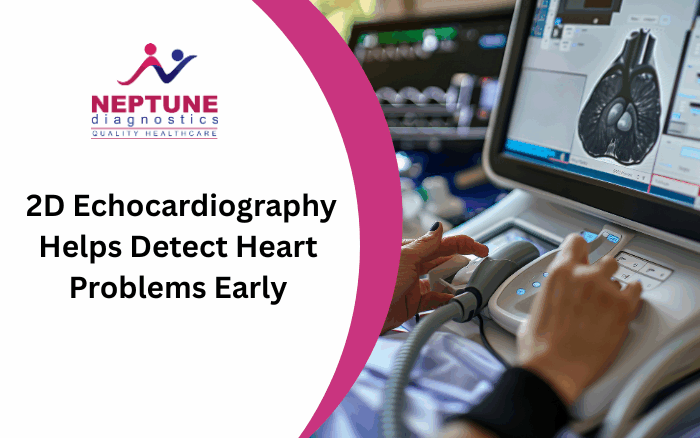
2D Echocardiography uses high-frequency sound waves to create detailed two-dimensional images of your beating heart. Unlike X-rays, it involves no radiation—just a handheld transducer placed on your chest with a bit of gel.
In real time, it shows:
- The size and shape of your heart chambers
- How well your heart muscle pumps
- The condition of your heart valves
- Blood flow patterns (often with Color Doppler)
The entire process usually takes 15 – 45 minutes and feels like a regular ultrasound.
Why Early Detection of Heart Problems Matters
Heart disease often develops silently. Many people discover issues only after a major event like a heart attack or heart failure. Early detection changes everything – t allows for lifestyle changes, medications, or procedures that prevent complications and improve quality of life dramatically.
Statistics highlight the urgency:
- Heart disease is a top killer globally, with many cases preventable through timely screening.
- 2D Echo can identify problems like weakened heart muscle, valve leaks, or enlargement years before symptoms become obvious.
Key Heart Problems 2D Echocardiography Detects Early
-
Heart Valve Disorders
Leaky or narrowed valves (stenosis or regurgitation) strain your heart. A 2D echo clearly shows valve function and blood flow abnormalities, allowing treatment before heart failure sets in.
-
Reduced Pumping Strength (Low Ejection Fraction)
This test measures how effectively your heart pumps blood. Detecting a drop early can prevent full-blown heart failure.
-
Cardiomyopathy and Enlarged Heart
It spots thickened or weakened heart walls and chamber enlargement, often linked to high blood pressure or other conditions.
-
Congenital Heart Defects
Many adults live with undiagnosed birth defects. 2D Echo identifies holes in the heart or structural issues that need monitoring or repair.
-
Signs of Past or Impending Damage
It can reveal wall motion abnormalities suggesting prior damage or areas at risk, guiding further tests like angiography when needed.
Who Should Get a 2D Echo Test?
Doctors often recommend a 2D echo if you have:
- Unexplained chest pain, shortness of breath, or palpitations
- High blood pressure, diabetes, or high cholesterol
- A family history of heart disease
- A heart murmur
- Recent COVID-19 or other infections that can affect the heart
Even without symptoms, high-risk individuals benefit from periodic screening for true peace of mind.
Benefits of 2D Echocardiography Over Other Tests
- Safe and radiation-free — Ideal for repeated use and pregnant women.
- Real-time results — See your heart in action instantly.
- Cost-effective and widely available — Compared to more advanced imaging.
- Highly informative — Combines structure, function, and flow in one test.
Frequently Asked Questions (FAQs)
1. Is a 2D echocardiography test painful?
No, it is completely painless and non-invasive.
2. How long does a 2D echo test take?
Typically 20–40 minutes.
3. Do I need to prepare before the test?
Usually no special preparation is required.
4. Can 2D echo detect heart blockage?
It can indicate abnormalities in blood flow, but additional tests may be needed for confirmation.
5. How often should I get a 2D echo done?
Depends on your health condition and doctor’s advice.
Your heart doesn’t always give clear warning signs – but taking action early can protect you from serious complications.
If you’ve been noticing symptoms or fall into a higher-risk group, don’t delay. A timely 2D echocardiography test can help detect issues early and guide the right treatment.
For accurate and reliable testing, visit Neptune Diagnostics Centre – a trusted 2D Echo center in Ghatkopar East, conveniently serving Powai, Chembur, Tilak Nagar, and Kurla.
Book your appointment today and take a proactive step toward better heart health.